By Heather Hall Galle
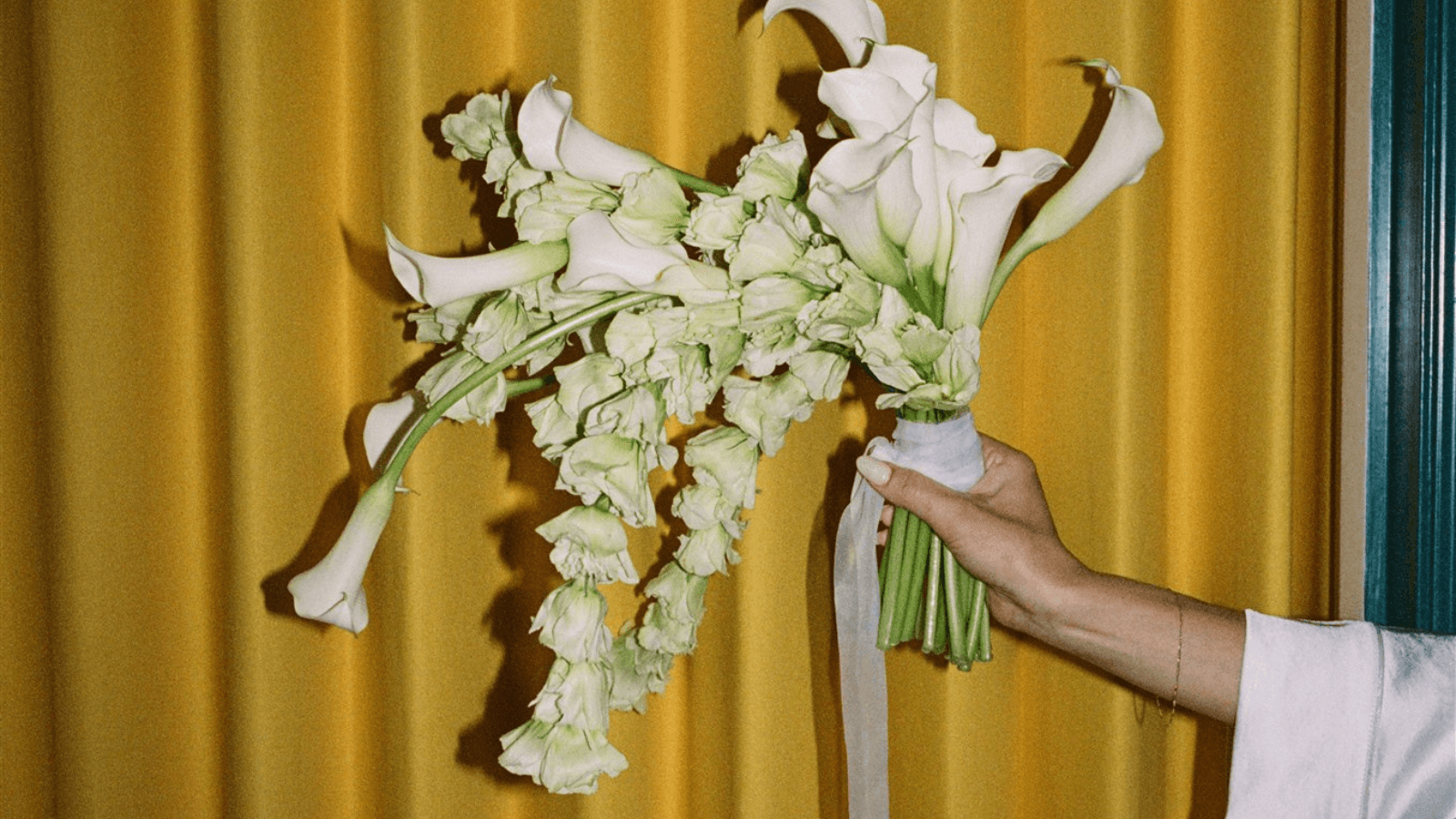
Photography by Liron Erel
Publication can be powerful. But it is not proof that a wedding mattered, and it is not the right goal for every celebration.
One of the first questions a creative team asks when a wedding gallery arrives is: Where should we submit it?
I understand the instinct. The wedding was beautiful. The photographs are strong. The planner, photographer, designer, florist, and rest of the team are proud of what they made together. Publication can feel like the natural conclusion to all of that work.
Sometimes it is the right next step.
But publication is not a reward for a job well done.
An editor is not deciding whether the wedding was worthy, whether the team is talented, or whether the photographs are objectively beautiful. The editor is deciding whether there is a story for a particular audience, at a particular moment, supported by the information and images available.
A wedding can be extraordinary and still not offer an editor something sufficiently specific to build a feature around. It can be deeply personal, beautifully produced, and commercially important to everyone involved without needing to become a media story.
That distinction matters because an editorial pass is not the same as a judgment on the quality of the work.
Having worked inside wedding media and now on the PR side, I tend to look at a potential submission from two directions.

Photography by AJ Tamari
First, is there a story that should travel beyond the people who were there?
The answer may be found in the fashion, but a list of designer names is rarely enough. Perhaps there is a meaningful custom process, an archival reference, or a choice that reveals something about the person wearing it. The story could come from the location, cultural traditions, family history, design, or the way the creative team approached an unusual constraint. The wedding may represent a significant evolution in a planner or photographer’s work.
The answer does not need to be dramatic. Often, it is a precise combination of details that gives the images context and allows an editor to understand why this particular wedding deserves a closer look.
But there has to be something to say.
Beautiful photographs are essential. On their own, they are rarely the complete strategy. Editors see beautiful weddings every day. What distinguishes a strong submission is the relationship between the images and the story around them.
This is why my first question is not simply, “Where can this go?”
It is: “Why should someone outside this wedding care?”
The second question is different: Would publication actually serve the people behind the work?

Photography by Kristen Marie Parker
For a planner entering a new market, a well-placed feature may offer valuable proof of experience in that destination. For a photographer developing a stronger fashion position, the right image edit and editorial context may help make that evolution visible. A thoughtful feature can establish credibility, introduce a business to prospective clients and collaborators, or connect one project to a larger body of work.
In other cases, publication may add very little.
The wedding might reinforce work for which the business is already well known without showing anything meaningfully new. The available outlet may reach the wrong audience. The couple may prefer privacy or may not want to participate in the reporting required for a feature. The images may be better used to strengthen a portfolio, build a case study, or support a story published on the company’s own platform.
A couple’s celebration is not automatically available as marketing material simply because the creative team is proud of it. Their permission, comfort, and expectations are part of the strategy too.
There is also a cost to pitching everything. Editors learn what a publicist or creative business considers noteworthy. Sending work without a clear story can weaken the value of the next submission, even when that next wedding is genuinely exceptional.
Restraint protects the relationship.

Photography by Les Loups
That does not mean every submission needs to be destined for Vogue or built around a once-in-a-generation premise. The right placement may be a respected regional publication, a design title, a trade outlet, or a platform that reaches the exact clients and collaborators a business wants to meet.
The value is not determined by the size of the publication. It is determined by the fit between the story, the audience, and the larger goals of the people involved.
Sometimes a wedding should become a media pitch. Sometimes it should become a portfolio anchor, a social series, a client case study, or an in-house editorial feature. Sometimes the right decision is to wait for better images, more information, or the couple’s approval.
And sometimes the work can simply be allowed to live beautifully without being turned into press.
Good PR is not the act of pitching every project that could possibly be published. It is knowing which work contains a story, understanding where that story belongs, and being honest when publication would not add enough value to justify the pursuit.
Publication is a tool.
It is not the proof that the wedding was worth making.